Pep Talk: All About Our Peppers
Farm Updates

FIELD NOTES:
The peppers are beginning to hit their stride, and there’s a lot to look forward to. You may see several different varieties coming your way, each with its own flavor, shape, and best uses.
Lunch box peppers are small, colorful, and sweet - great for snacking straight from the fridge, slicing into salads, or tossing into a lunch bag (hence the name!).

Sweet Italian peppers are longer and a little more substantial, with a mild, sweet flavor that shines when sautéed, roasted, or added to sandwiches and pasta.
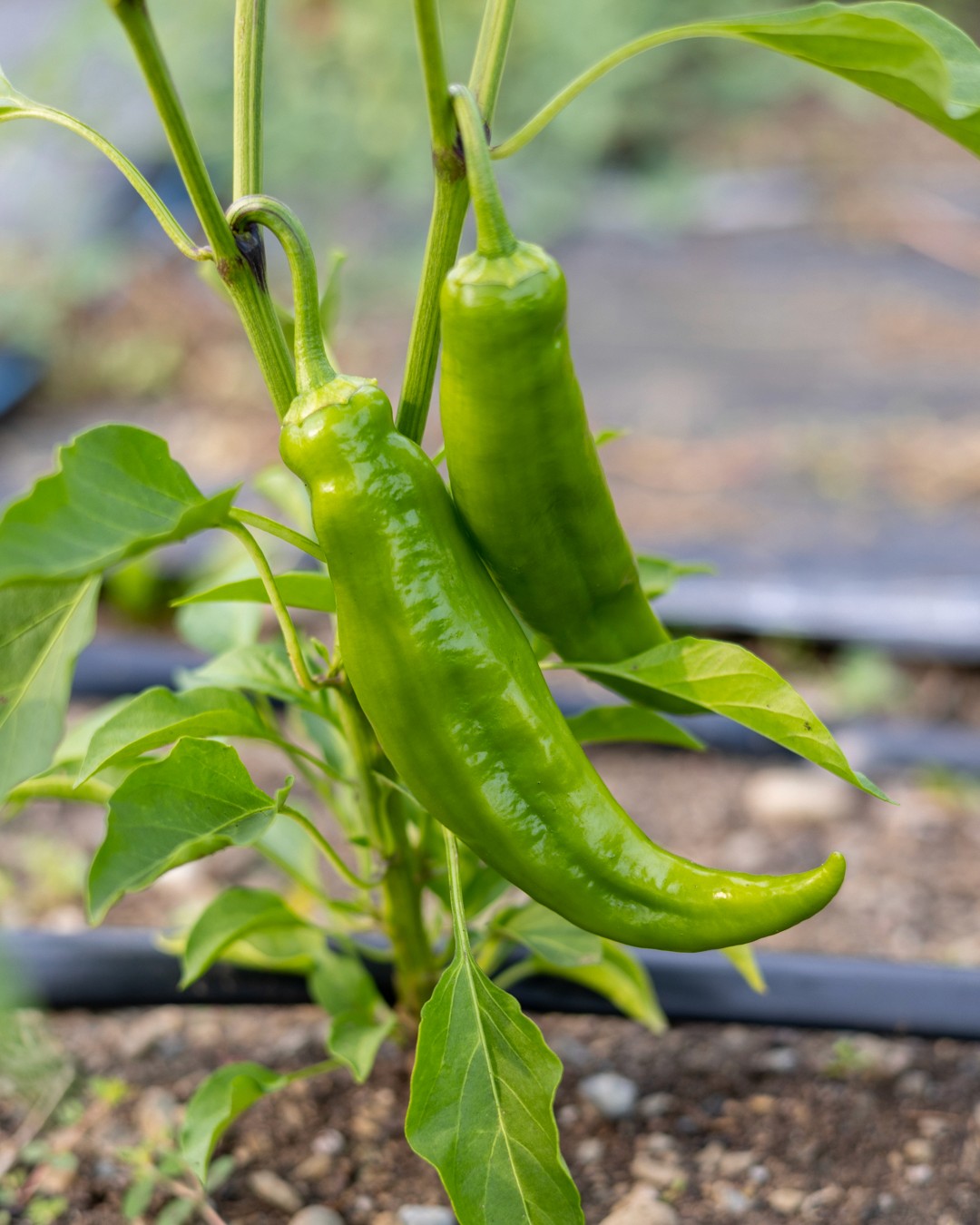
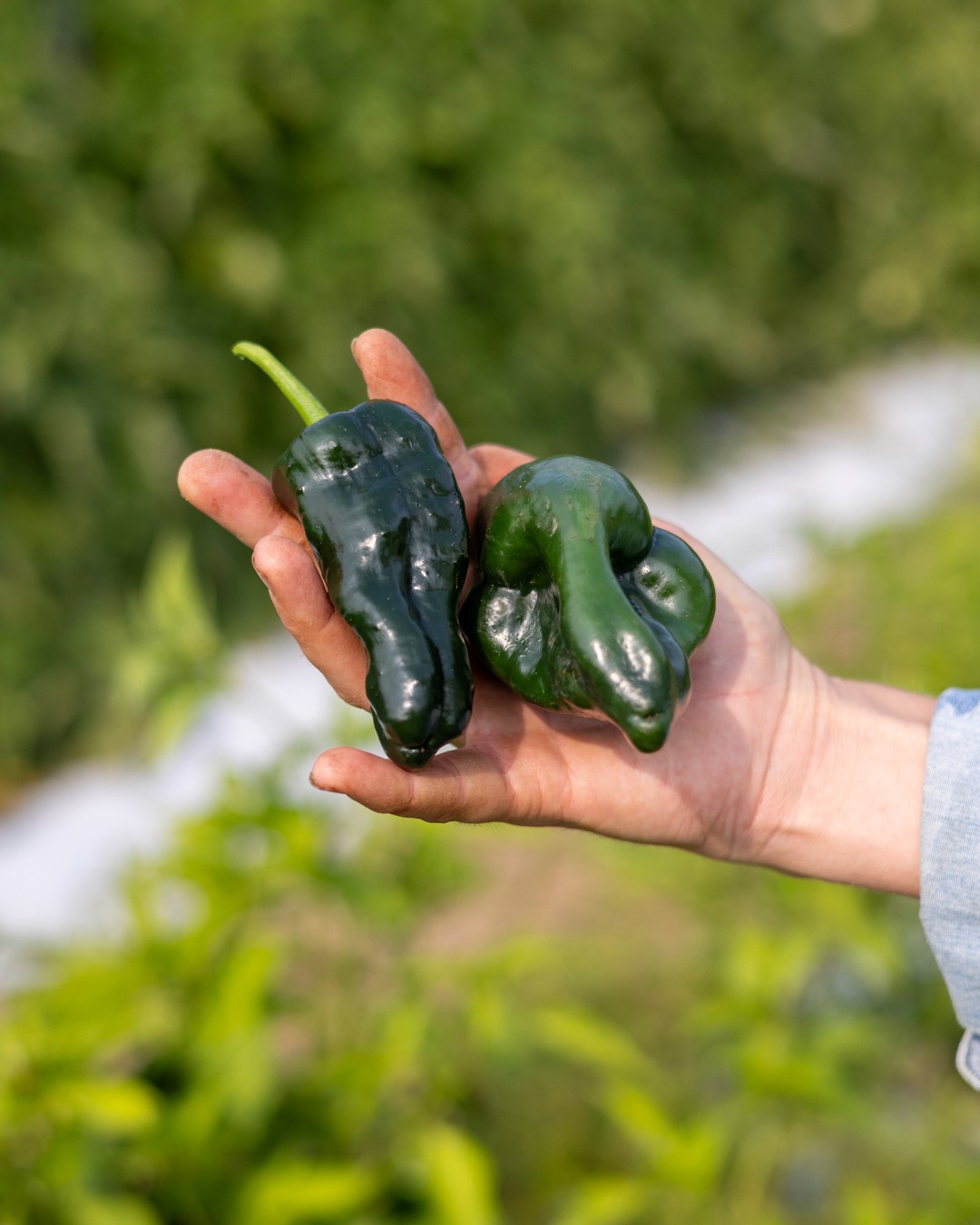
Poblanos are larger, dark green peppers with a deeper, earthier flavor. They’re generally mild, but can have a little heat. Try roasting them, stuffing them, or incorporating them into tacos and enchiladas.
And then there are shishitos: small, thin-walled peppers that are usually mild, with the occasional spicy surprise. They’re particularly good blistered in a hot pan with a little oil and salt until they’re charred and wrinkly.

We’re also busy harvesting onions and potatoes and getting them ready for curing.
Curing is an important step for crops like these. After harvest, we give them time to dry and develop the tough outer layers that help protect them during storage. It takes a little patience, but properly cured onions and potatoes can stick around for much longer than their freshly harvested counterparts.
So while you might not see all of that work happening in your kitchen, there’s a lot going on behind the scenes to keep these crops in good shape for the weeks ahead.
—————
If you’ve noticed a little less romaine lettuce lately, there’s a reason and it involves some very enthusiastic turkeys.
Our turkeys have discovered the romaine, and apparently they are big fans. What started as a perfectly good crop has become an all-you-can-eat buffet for our feathered friends. So, we’re shifting our lettuce varieties for a bit and working with what the turkeys have graciously left us.
It’s one of those reminders that farming is always a conversation between what we plan and what the farm (and its inhabitants) have in mind.
Luckily the caesar salad has been reimagined under every green imaginable these days: cabbage and kale are stand out faves. Now is your sign to give em a try!
FARM HAPPENINGS:
Flowers are abundant beyond belief this week so we are trying out some new ways to get them out into the world! We’ll be popping up with an abundance of blooms at our sister cafe Kitchen & Coffee in Beacon this Saturday from 9am-12pm! While we’re at it we’re bringing tomatoes and eggs to share. Come and get some!
HOW TO EAT YOUR VEGGIES
Tomato Season: How to Keep Up When They Keep Coming
If you’re reaching the point in the summer when you’re wondering, “How am I possibly going to eat all of these?” - you’re not alone!
One strategy is to choose tomatoes at different stages of ripeness. If you’re picking them yourself, or have the option to select from a variety, take some that are fully ripe and ready to eat now, along with some that are just beginning to color up. Let the less-ripe ones finish ripening on the counter over the next few days.
This can help turn a tomato avalanche into a more manageable, steady supply.
But what happens when a tomato starts to get mealy?
Do not under any circumstances let that precious little fruit go to waste! A mealy tomato may not be your favorite for slicing and eating raw, but that doesn’t mean it needs to go into the compost. Cook it! Mealy tomatoes are perfect for sauces, soups, salsas, roasted tomatoes, tomato jam, or anything else where texture isn’t the main event.